
Connecticut Light & Power Electricity Rates
Connecticut Light & Power residential customers pay an average of 28.5¢/kWh (EIA-861, 2024, bundled service), or about $187.10 per month — 1% below the Connecticut state average. See what your bill looks like at that rate below.
28.5¢/kWh
EIA-861, 2024, bundled
$187.10
per month, residential
-1%
28.7¢/kWh state avg
What a Connecticut Light & Power bill looks like by usage
Monthly cost at Connecticut Light & Power's effective 28.5¢/kWh rate vs the Connecticut average of 28.7¢/kWh. U.S. homes average about 863 kWh/month.
| Monthly usage | Connecticut Light & Power | CT average |
|---|---|---|
| 500 kWh | $142.55 | $143.75 |
| 750 kWh | $213.83 | $215.62 |
| 1,000 kWh | $285.10 | $287.50 |
| 1,250 kWh | $356.38 | $359.38 |
| 1,500 kWh | $427.65 | $431.25 |
| 2,000 kWh | $570.20 | $575.00 |
Find what drives your Connecticut Light & Power bill
Rates and averages explain the price of a kilowatt-hour, not how many you use. A plug-in energy meter logs what one corded 120 V appliance really draws over a week. A whole-home monitor logs every circuit at once, so the biggest loads on your own bill show up by name — its sensors clip on inside the panel, which is work for an electrician if that isn't you.
We earn a commission if you buy through links on this page, at no extra cost to you. It does not change what we recommend — see our affiliate disclosure. As an Amazon Associate I earn from qualifying purchases.
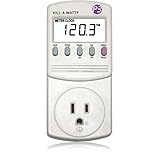
Plug-in power meter
P3 International Kill A Watt P4400
Best for: Measuring what one plug-in appliance really uses
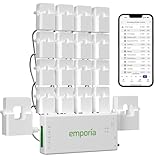
Whole-home energy monitor
Emporia Vue 3 Home Energy Monitor (16 circuit sensors)
Best for: Measuring hardwired and 240 V loads, or every circuit at once
EV charging cost on Connecticut Light & Power
Rate is pre-filled to Connecticut Light & Power's 28.5¢/kWh. Enter your car's battery size.
Frequently asked questions
Other utilities in Connecticut
Think your Connecticut Light & Power bill is too high?
Start with our guide to estimating and lowering your electric bill, then find the culprits with the appliance running-cost tables. EV driver on a time-of-use plan? See off-peak EV charging.