
EV Charging in Cold Weather: What Changes
Updated 2026-08-16 · 7 min read
Gear this guide recommends
We earn a commission if you buy through links on this page, at no extra cost to you. It does not change what we recommend — see our affiliate disclosure. As an Amazon Associate I earn from qualifying purchases.
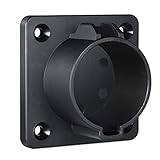
Cable management
Lectron J1772 Nozzle Holster Dock
Best for: Finishing any charger install properly
Jump to a section▾
Winter affects EVs more than gas cars, and it does so in two separate ways that people often conflate: you get less range from the same battery, and you get slower charging into it. Both are manageable, and most of the loss is recoverable with habits rather than hardware.
How much range do EVs lose in cold weather?
| Effect | Typical impact | Why |
|---|---|---|
| Range loss | 20–30% at freezing | Cabin heating, denser air, higher rolling resistance |
| Slower DC fast charging | Can be 2× longer | The battery limits current until it warms |
| Slower AC charging | Slight | AC rates are low enough that temperature rarely limits them |
| Higher home charging cost | Follows the range loss | More kWh for the same miles |
| Regen reduced or disabled | Temporary, when cold | A cold pack cannot accept high charge current |
The single most effective countermeasure is preconditioning — warming the pack and cabin while still plugged in, so the energy comes from the wall rather than the battery. See preconditioning your EV battery.
Why do EVs lose range in the cold?
1. Battery chemistry slows down. Lithium-ion cells have higher internal resistance when cold, which means less usable energy and less available power. This is physics, not a fault.
2. Cabin heat costs real energy. A gas car heats the cabin with waste engine heat — essentially free. An EV has no waste heat worth using, so cabin heating draws from the battery. In deep cold with the heater working hard, this can be a substantial share of consumption.
Vehicles with a heat pump are meaningfully better here than those with resistive heating, because a heat pump moves heat rather than generating it. Below a certain outdoor temperature most heat pumps fall back to resistive assist, so the advantage narrows in extreme cold.
3. Everything else is slightly worse. Denser cold air means more aerodynamic drag, tires are stiffer, and snow adds rolling resistance.
The result: winter range is noticeably below the EPA rating, and highway driving in deep cold is the worst combination. Estimate yours with the EV range calculator, and read kWh and miles per kWh explained for how to track your own seasonal numbers.
Why is DC fast charging slower in winter?
This one surprises people more.
A cold battery cannot safely accept high current. Pushing high current into cold cells risks lithium plating, which is a permanent form of damage. So the battery management system clamps charging power until the pack warms — and warming a large battery takes time.
The practical effect: arriving at a DC fast charger with a cold pack can double the session length. You'll see low power for the first stretch, gradually climbing as the pack heats from both the charging current and the thermal system.
The fix is preconditioning, and it's the highest-leverage winter habit there is.
What is EV battery preconditioning?
Most EVs will warm the battery automatically if you navigate to the charger using the car's own navigation system. A phone app doesn't trigger it. Some vehicles also offer a manual preconditioning toggle.
The car uses energy to warm the pack on the way — but it more than pays for itself in a faster session, because you spend far less time at derated power.
For a full treatment including departure preconditioning, see preconditioning your EV battery, and the EV charging curve for why temperature shapes the whole session.
Home charging in winter
Good news: Level 2 home charging is barely affected. Home charging rates are far below what the pack can accept, so there's little for the cold to limit. You may see the car warming the battery at the start of a session, which uses some energy, but the session still completes overnight.
Habits that help:
Stay plugged in. When the car is connected, it can run thermal conditioning and preconditioning from wall power rather than the traction battery. That preserves range for driving. Set a charge limit rather than unplugging.
Precondition the cabin while plugged in. Warming the cabin from the wall before you leave costs you no range at all, and you get into a warm car. This is the single best winter feature an EV has.
Charge to a slightly higher limit in winter if your range is tight — the reduced usable capacity means the same percentage is fewer miles.
Expect longer sessions on Level 1. Level 1 charging in a cold, unheated garage can lose a meaningful share of its already-small output to battery warming. If Level 1 is your only option and winters are severe, check the arithmetic with the EV charging time calculator.
Equipment in the cold
Check the charger's minimum operating temperature. Some units specify a lower limit warmer than a northern winter night. Below it, the manufacturer doesn't guarantee behavior. This matters especially for outdoor installs and unheated detached garages.
Cable stiffness is real. High-amperage EVSE cable goes stiff in cold and becomes hard to coil and hang. If you're in a cold climate, weigh that when choosing cable length — see EV charger cable length.
Keep the connector out of slush. Water that freezes in a charge port or connector is a genuine nuisance. Always holster the connector — never leave it on the ground. See charging cable damage and safety.
Frozen charge port doors are a known winter annoyance. Some cars have port heaters; otherwise, avoid parking with the port facing driving rain that will freeze overnight, and don't force a frozen door.
Winter road trips
Adjust the plan, not the ambition:
- Add buffer. Winter range is lower and the margin for a broken charger is smaller.
- Precondition before every DC stop. Non-negotiable.
- Expect longer sessions, especially the first of the day when the pack has been cold-soaked overnight.
- Slow down. Speed is already the largest range factor, and it compounds with cold.
- Prefer hotels with Level 2 — you start the day with a warm-ish, full car.
- Charge to a higher limit than you would in summer before long gaps.
EV road trip planning covers the general strategy.
Does cold weather damage an EV battery?
Cold is much gentler on long-term battery health than heat. The specific things worth avoiding:
- High-current charging of a very cold pack — which the BMS already prevents
- Sitting at very low state of charge in extreme cold for extended periods
Otherwise, winter is not a degradation concern. Battery degradation and charging habits covers what actually matters.
The winter checklist
- Precondition the cabin while plugged in before departure
- Stay plugged in when parked in the cold
- Navigate to DC chargers in the car's system so the pack preconditions
- Raise the charge limit if range is tight
- Check tire pressure — it drops with temperature
- Keep the connector holstered and out of slush
- Add buffer to trip planning
- Slow down on highway legs
The bottom line
Cold costs range (battery efficiency plus cabin heat) and slows DC charging (cold packs can't take high current). Home Level 2 charging is largely unaffected. Precondition on the way to fast chargers, precondition the cabin from wall power before leaving, stay plugged in when parked, and add buffer to winter trips. Those four habits recover most of what winter takes.
Check your winter range with the EV range calculator, estimate charging times with the EV charging time calculator, or read preconditioning your EV battery.
Frequently asked questions
Ask AI about this
Open an AI assistant with a question grounded in this page.